Central Vacuum Systems for Auto Detailing
Built-in suction at each bay and retractable hoses that keep floors clear, for new shops, remodels, and businesses already up and running across the Portland metro.
In a detail shop or service bay, the vacuum is one of the most frequently used tools in the building, and a central vacuum system puts an inlet at each bay where your team works, without portable machines, tangled cords, or small canisters to empty between cars. Technicians simply pull a hose from the wall, clean the vehicle, and continue to the next appointment.
Premier Central Vac designs, installs, retrofits, and services central vacuum systems for businesses across the Portland metro, and when you call, you’ll talk with an experienced specialist from the start instead of navigating a phone tree.
How a Central Vacuum System Works in an Auto Shop
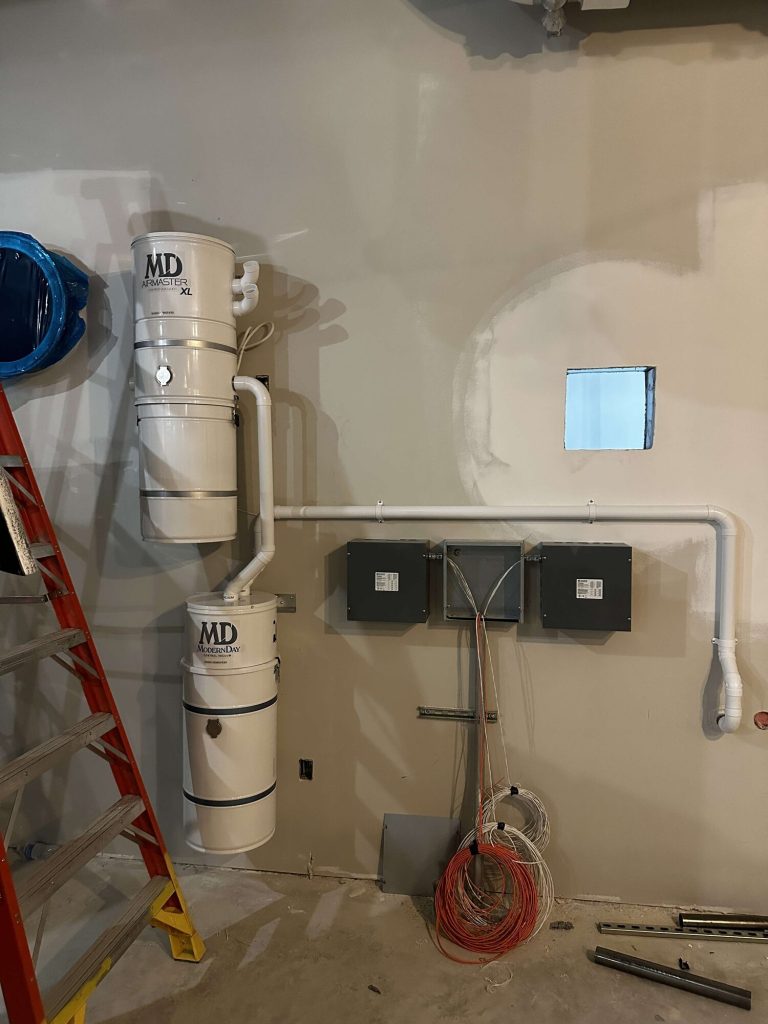
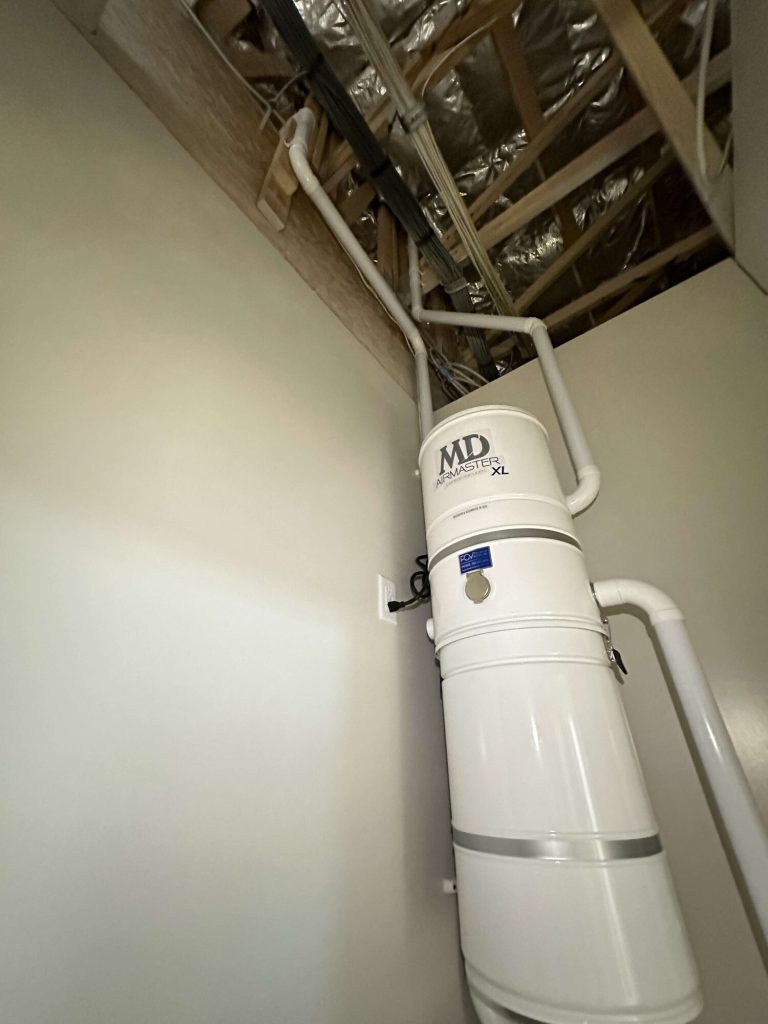
A central vacuum system has three main components: a power unit and collection canister located in a back room, mezzanine, or mechanical space, piping that runs through the walls or ceiling, and inlets positioned at each bay where your team works. We size the power unit and lay out the piping based on your building, the distance between bays, and how your team cleans, so the system can deliver reliable suction throughout the shop.
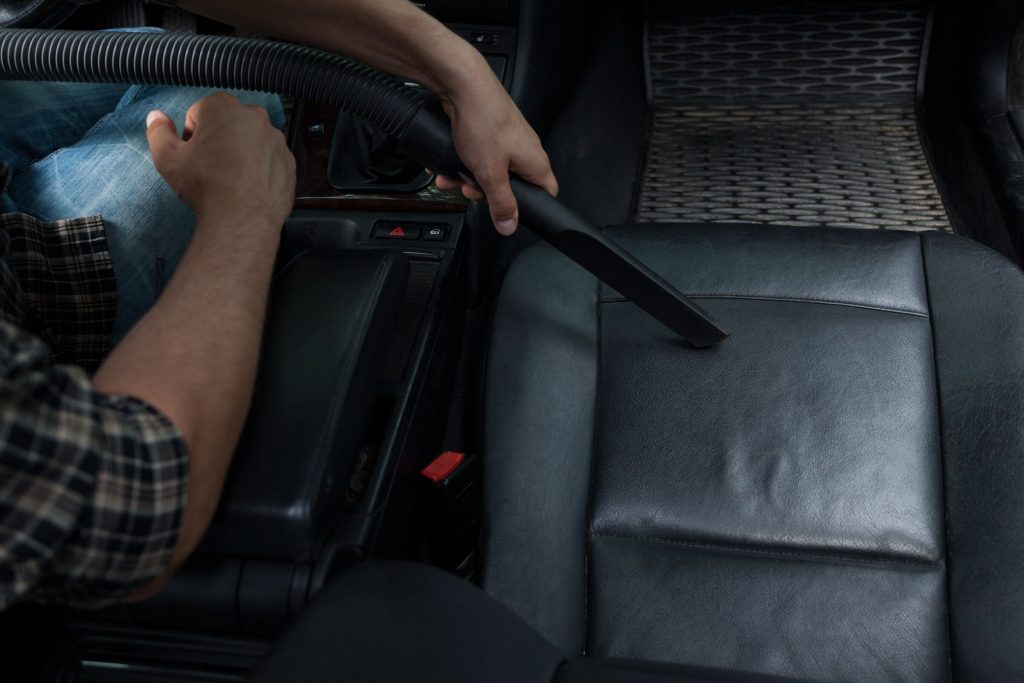
These systems are designed for dry debris, such as dirt, sand, crumbs, pet hair, and the small gravel that collects under floor mats, so your extractors and shampooers still handle wet work while the central vacuum takes care of the everyday pickup that happens on every car. Anything larger than a small pebble is best picked up by hand.
Why Detail Shops Choose Central Vacuum
Pacific Northwest winters send vehicles through your doors carrying mud, sand, pine needles, and dog hair. A built-in system helps your team manage that seasonal volume without slowing turnaround.
An inlet where your team works. Nobody has to search for the shop vac or carry it from bay to bay. If several technicians need to vacuum at the same time, we account for that when we size the system.
Quieter bays and waiting areas. Because the power unit is installed away from the work area, most motor noise stays out of the bay, which helps when customers are waiting nearby or you’re on the phone with a client.
Debris and exhaust kept away from the work area. Portable vacuums collect debris internally but return filtered exhaust air to the bay. A central system carries debris through the piping to a power unit away from the work area and directs exhaust away from occupied spaces, outdoors when that’s appropriate for the building. We plan exhaust placement for each shop, including its ventilation requirements.
Less equipment to manage. A central system means fewer portable machines to buy, store, empty, and replace, along with no cords stretched across a busy shop floor.
How We Plan a Commercial Central Vacuum System
A detail shop asks a lot of a central vacuum: longer pipe runs, several bays, and a system that may run for much of the day. Every commercial project starts with a walkthrough of your space. We look at:
- How many bays you have now, and whether you plan to add more
- The vehicles you work on and how much hose reach each bay needs
- Whether several technicians need to vacuum at the same time
- Where the power unit can go, and how the system should exhaust based on your building’s ventilation
- How piping can be routed through open ceilings and other accessible areas
From there, we size the power unit and lay out the piping, inlets, and hose lengths for your shop.
Retractable Hose Systems for Faster Turnaround
For detail shops, a retractable hose system is the setup we recommend. With Hide-A-Hose, the hose stores inside the piping itself, so technicians pull out the length they need and let the hose retract into the wall when they’re finished.
The result is no hose coiled on the floor, fewer hoses to trip over between bays, and no loose hose lying across a freshly finished hood. We’ll recommend hose lengths and inlet positions based on your bay size, so your team can reach every seat, the trunk, and the floor mats without moving equipment around the car. You can see more options on our central vacuum products page.


Central Vacuum for New Shops, Remodels, and Retrofits
New construction or a tenant improvement is the easiest time to add a system, since piping can be installed before walls and ceilings close, and we’re glad to work with you, your architect or engineer, and your general contractor to plan equipment, piping routes, inlet locations, and the installation schedule around your bay layout.
If your shop is already operating, a retrofit is often possible. Much of the piping can often be routed through attics, crawlspaces and other accessible areas, minimizing finished-wall access. Many commercial buildings also have open ceilings or unfinished walls, which can make routing simpler, and we’ll schedule the work around your hours to help keep your bays running.
Already Have a System? You May Not Need to Replace It
Some shop owners lease or buy a building with inlets already in the walls, while others have a system that slowly lost suction until the team went back to portable vacuums. In either situation, you may not need to replace the entire system.
We start by evaluating your existing equipment, then recommend the specific repair it needs, whether that’s clearing a clogged line, swapping a worn motor, or replacing an aging hose and attachment kit. In many cases, that’s enough to get the system working again, and because commercial systems operate all day, we can also create a service schedule that fits how hard yours works.
Why Shops Work With Premier Central Vac
Premier Central Vac is a locally owned company, and our team brings more than 75 years of combined industry experience. Along with homes, we design, install, and service commercial central vacuum systems, and our team’s background includes detail shop and dealership systems from years in the industry before Premier Central Vac. You’ll get honest guidance about what your shop needs, clean installation work, and a local team that stays available long after the job is done.
Planning a New Shop or Adding Bays?
The best time to plan a central vacuum system is before your layout is final. If you’re opening a new shop, adding bays, or reworking a leased space, we can review your floor plan, talk through how your team works, and map out the power unit location, piping routes, and inlets before work begins. Already have a system? We’ll start by checking whether it still works. Give us a call to set up a walkthrough, and you’ll reach a knowledgeable person from the first conversation.
Frequently Asked Questions
Can a central vacuum system handle sand and gravel from vehicles?
Central vacuum systems are designed for dry debris, including dirt, sand, and the small gravel that collects in floor mats and carpet. Anything larger than a small pebble should be picked up by hand. We’ll size the system and choose tools based on what your shop deals with every day.
Can several detailers vacuum at the same time?
That depends on how the system is designed. Simultaneous use affects how the power unit and piping are sized, so we evaluate it for each shop instead of making a blanket promise.
Can it pick up liquids or be used for shampooing?
Standard central vacuum systems are for dry pickup only. Keep using your extractor for shampooing and wet work, and let the central system handle everyday vacuuming.
How long can a retractable hose be?
It depends on the system and your bay layout. We’ll recommend hose lengths and inlet locations so your team can reach every part of the vehicle without moving equipment.
Can you install a central vacuum in a leased building?
In many cases, yes. Retrofits usually involve limited wall work, but check with your landlord before the project starts. We’re happy to walk through the plan with both of you.