
Central Vacuum Systems for Veterinary Clinics
Quieter, easier cleanup for busy practices across the Portland metro, whether you’re building new, remodeling, or reviving a system already in your walls.
A veterinary clinic can see more hair, dander, and tracked-in mud in a single day than many homes see in a week. Central vacuum systems give animal hospitals and veterinary clinics a quieter, more convenient way to keep up, because your team simply connects a lightweight hose to a wall inlet while the power unit does the work from a garage, utility room, or mechanical space away from patients.
Premier Central Vac has designed and installed central vacuum systems for veterinary clinics and animal hospitals, and we also handle retrofits and ongoing service across the Portland metro. When you call, you’ll talk with an experienced specialist from the start instead of navigating a phone tree.
What Is a Central Vacuum System for a Veterinary Clinic?
First, a quick clarification, since “central vacuum” can mean two different things in a veterinary setting. Many clinics already have a medical vacuum for surgical suction or anesthetic gas scavenging. That is a separate system with its own design requirements, and it isn’t what we install.
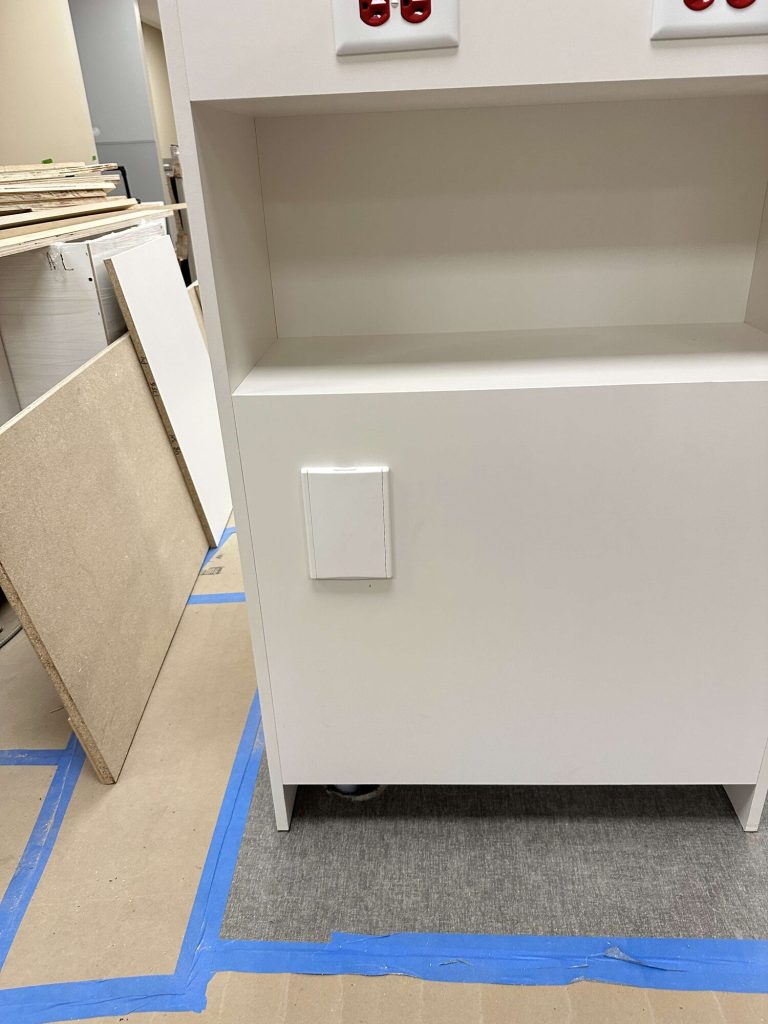
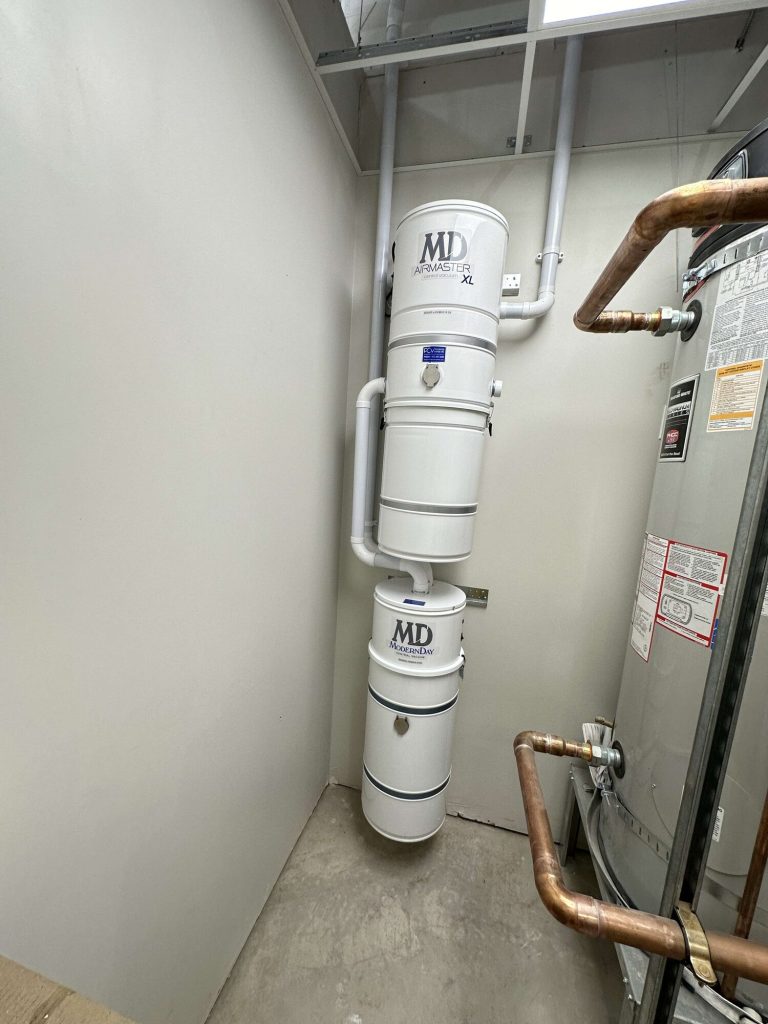
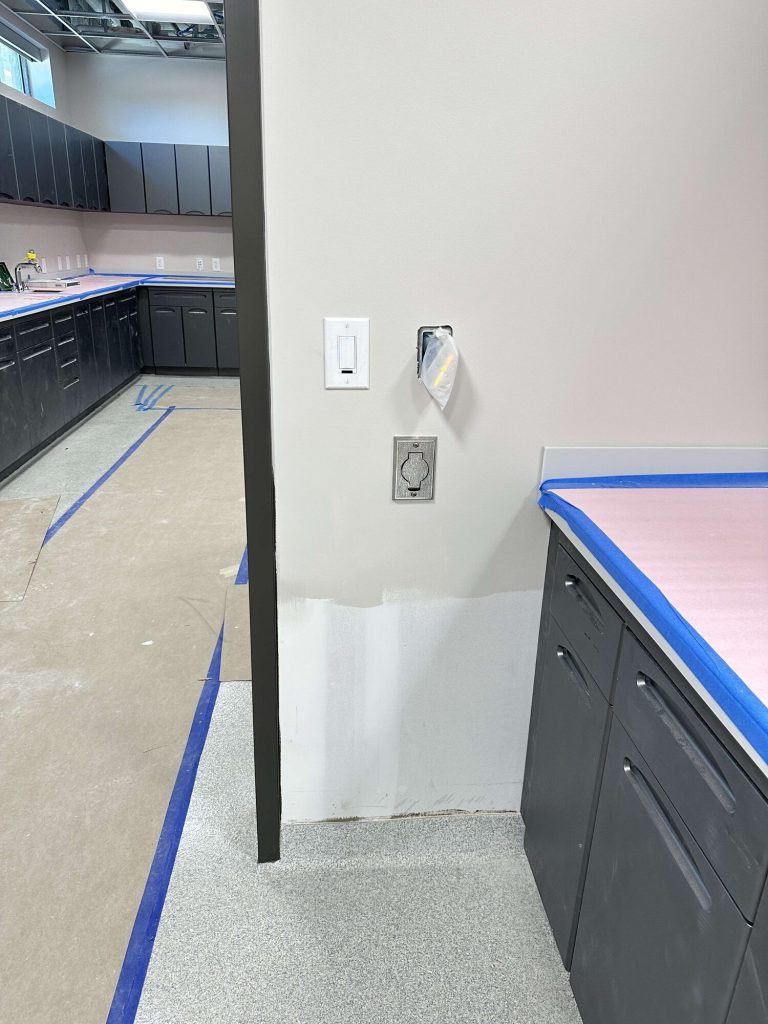
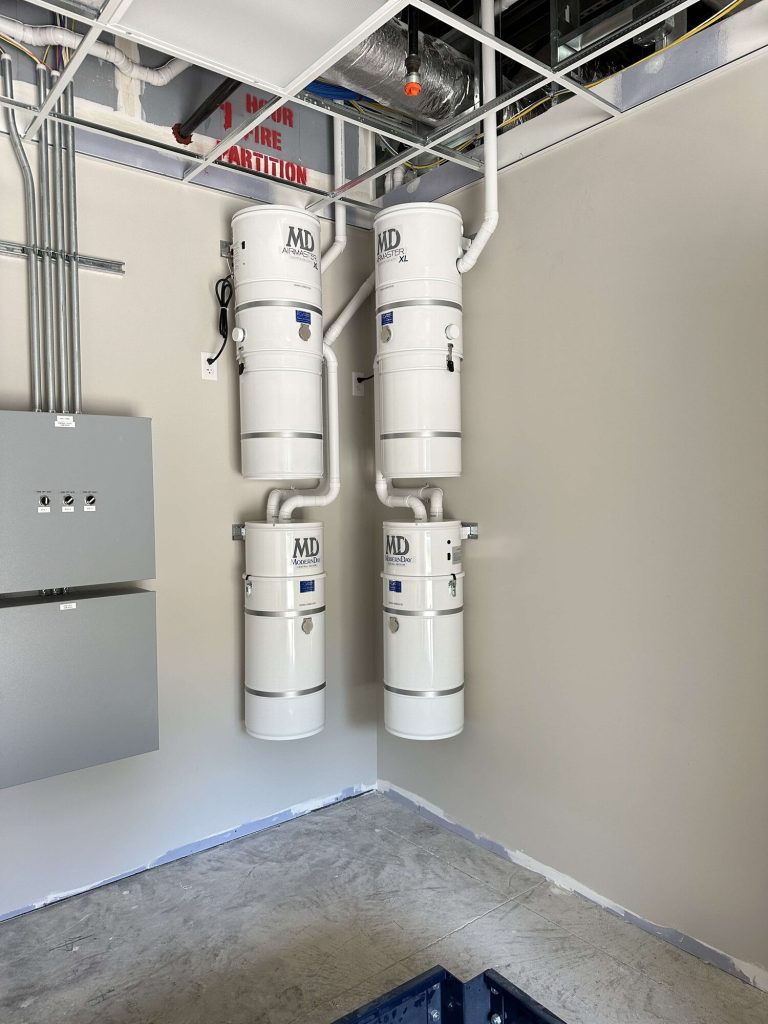
The central vacuum systems we install are for cleaning. They have three main parts: a power unit with a collection canister, piping that runs through the building, and inlets placed where your staff cleans most, so suction is available the moment someone connects a hose. They’re built for everyday cleanup of hair, dander, dust, and tracked-in dirt.
Why Central Vacuum Works Well in Animal Hospitals
Hair and debris don’t stop between appointments, and in the Pacific Northwest, the wet months add a steady stream of muddy paws coming through the front door. A built-in system helps your team keep pace without slowing down the day.
Quieter cleaning near patients. Because the power unit is installed away from exam rooms and kennels, most motor noise stays out of the room, so staff can clean during business hours without running a loud machine right next to patients and clients.
Debris collected away from patient areas. Portable vacuums keep exhaust and debris in the room with you. With a central system, debris travels through the piping to a collection canister away from exam rooms and kennels. We plan where the unit exhausts as part of designing the system for your building.
Faster turnover between appointments. With a hose ready at an exam room inlet, a quick pass after a heavy-shedding patient takes less time. Nobody has to wheel a machine in from a closet first.
Fewer cords and machines in busy spaces. There are no cords stretched across hallways where staff, clients, and pets are moving, and fewer portable machines crowding storage closets.
One system to maintain. Instead of repairing and replacing several portable vacuums, your practice has one central power unit to service. A canister sized for your building can also mean fewer stops to empty it.
Strong suction, designed for your building. Suction depends on how a system is sized and laid out. We match the power unit, pipe runs, and inlet placement to your building, so staff get dependable suction from the lobby to the boarding area.
How We Design Commercial Central Vacuum Systems
A clinic asks more of a central vacuum than a typical home. It may need longer pipe runs, more inlets, and staff cleaning in different parts of the building at the same time. That’s why every commercial project starts with a walkthrough. We look at:
- The size and layout of your building
- Where your team cleans most, and how often
- Whether more than one person needs to vacuum at the same time
- Where the power unit and canister can go, and how the unit should exhaust
- How piping can be routed through attics, crawlspaces, and other accessible areas
From there, we size the power unit and plan the piping and inlet locations. For new construction, we coordinate with your architect and contractor. For an open practice, we schedule the work around your appointments.
Built Around How Veterinary Teams Clean
Because every clinic has its own trouble spots, we plan inlet locations around how your staff actually moves through the day, such as the lobby entrance, exam rooms, the treatment area, boarding and kennel spaces, and grooming stations.
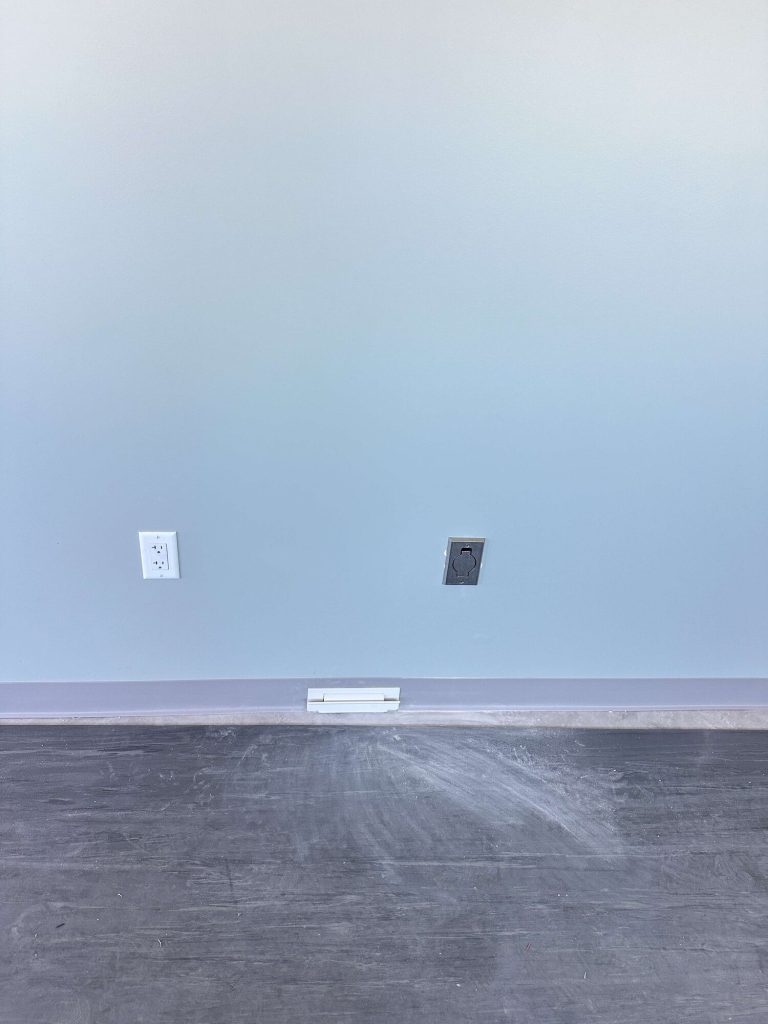
A few upgrades make a big difference in hair-heavy areas, and both of these are well suited to veterinary clinics and hospitals for everyday cleaning. A CanSweep toe-kick inlet lets staff sweep fur and dirt straight into the system, with no dustpan needed, which is especially useful beside a grooming table or along a treatment room counter. Hide-A-Hose stores the hose inside the wall, so it’s out of the way until someone needs it. You can see more options on our central vacuum products page.
A central vacuum handles hair, dander, dust, and tracked-in dirt well. Anything larger than a small pebble is best picked up by hand.
A Look at Our Veterinary Work
A few photos from recent commercial central vacuum installations by our team.
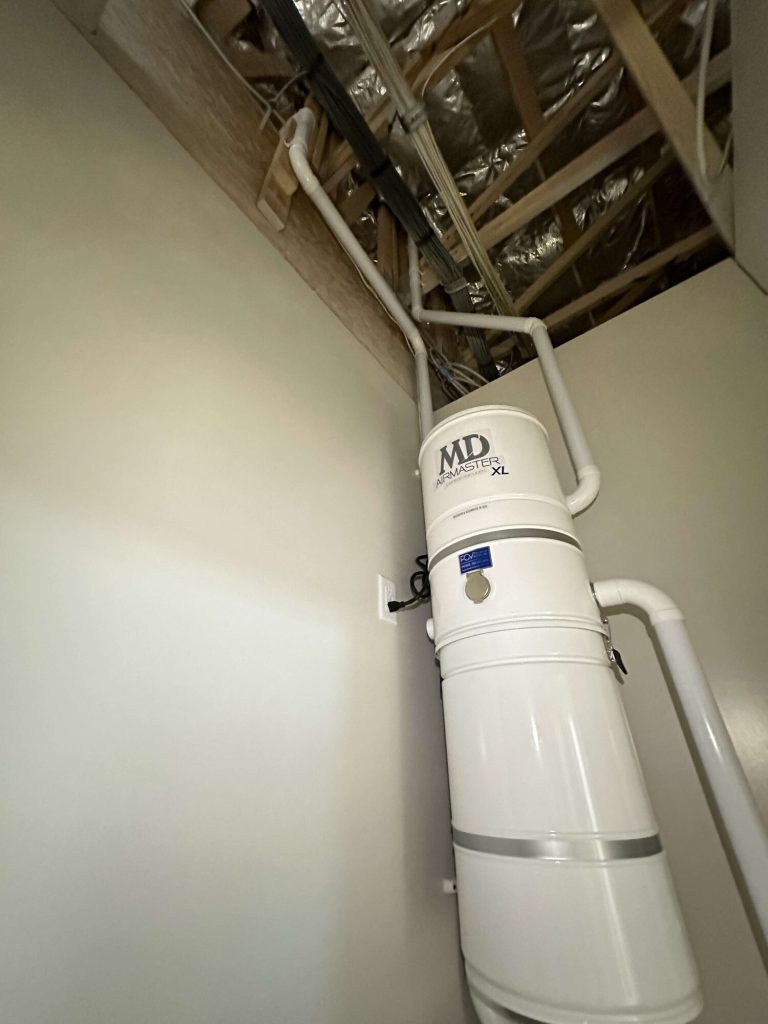
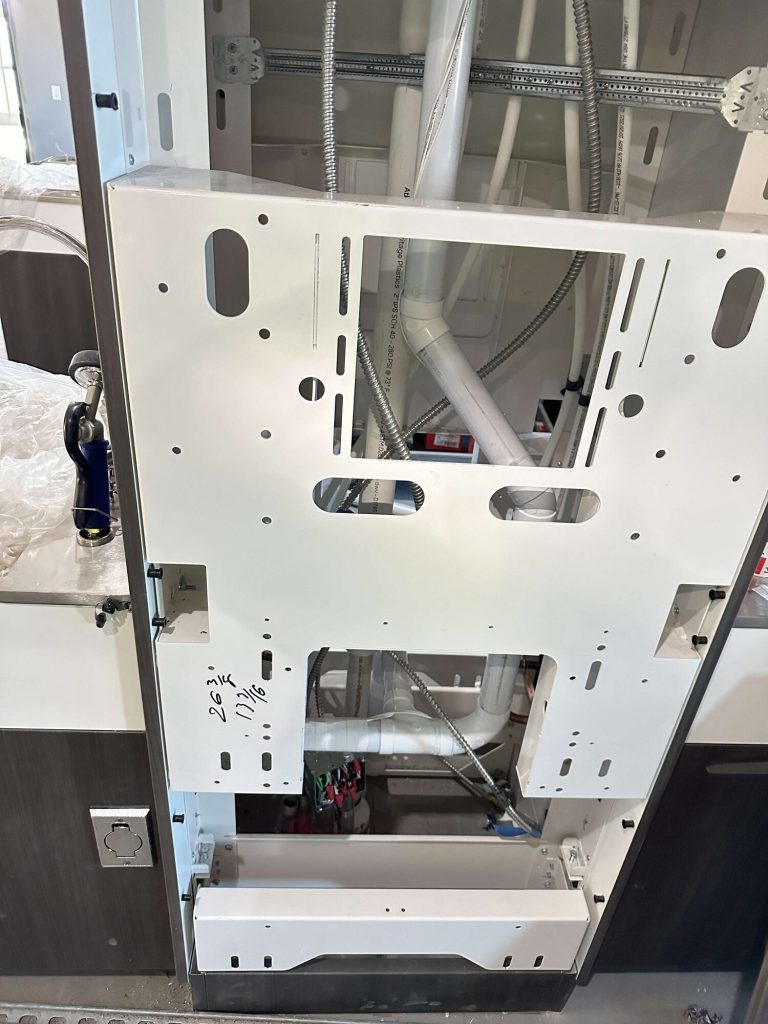
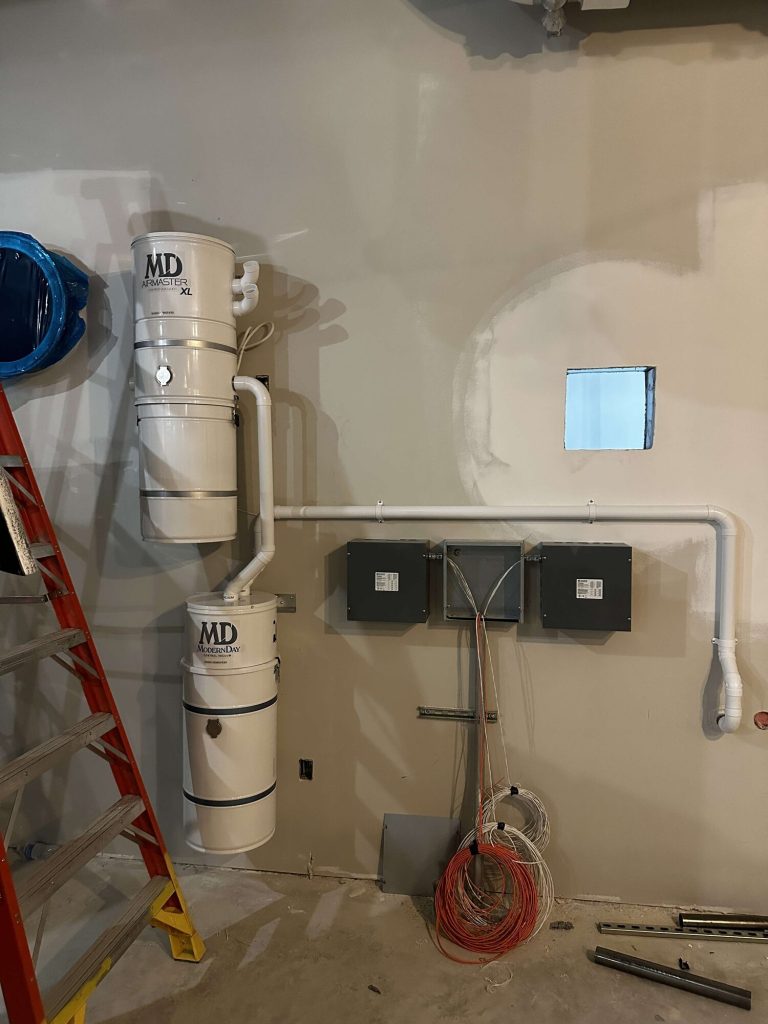
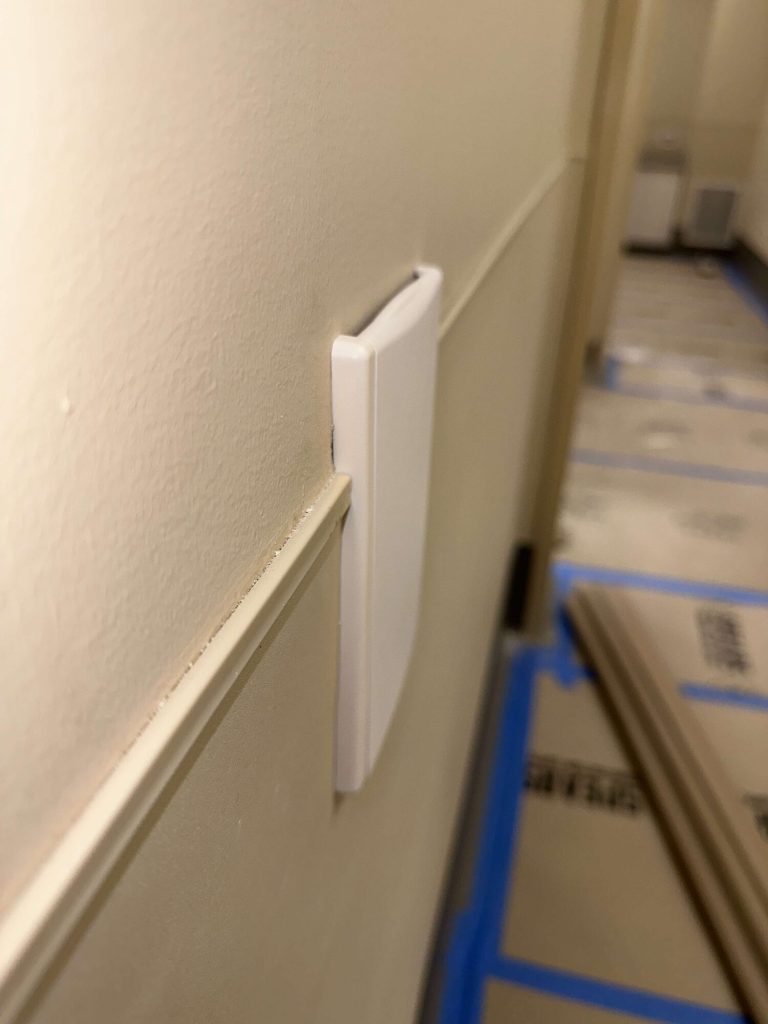
Central Vacuum for New Veterinary Clinics and Remodels
New construction is the easiest time to add a system, so if you’re planning a new animal hospital, we can work with your architect and contractor to run piping during framing, before the walls close.
If your veterinary clinic is already open, a retrofit is often possible. Many practice owners assume it’s too late once the building is finished, but much of the piping can often be routed through attics, crawlspaces and other accessible areas, minimizing finished-wall access. In many cases, wall work is limited to the inlet locations. We’ll plan the work around your schedule to help keep disruption to patients and staff low.
Already Have a System? Let’s Take a Look
Some practices move into a building with inlets already in the walls, while others have a system that slowly lost suction until the team went back to portable vacuums. In either situation, you may not need to replace the entire system.
We start by evaluating your existing equipment, then recommend the specific repair it needs, whether that’s clearing a clogged line, swapping a worn motor, or replacing an aging attachment kit. In many cases, that’s enough to get a forgotten system working again. Because clinics handle so much hair, we can also create a service schedule that fits how hard your system works.
Why Veterinary Practices Work With Premier Central Vac
Premier Central Vac is locally owned, and our team brings more than 75 years of combined industry experience. Along with homes, we design, install, and service commercial systems, including systems for veterinary clinics and animal hospitals. You’ll get honest guidance on what your building needs, clean installation work, and a local team that stays available long after the job is done.
Whether you’re planning a new clinic or a remodel, or simply want to know whether your current system still works, give us a call and you’ll reach a knowledgeable person ready to talk through your space.
Frequently Asked Questions About Central Vacuum Systems for Veterinary Clinics and Animal Hospitals
Is a cleaning central vacuum the same as a medical vacuum system?
No. Medical vacuum systems handle surgical suction and anesthetic gas scavenging and follow their own design standards. A central vacuum cleaning system is for floors, kennels, and other surfaces. The two are separate, and we install only the cleaning side.
Can more than one staff member vacuum at the same time?
That depends on how the system is designed. Simultaneous use affects how the power unit and piping are sized, so we evaluate it for each building during the walkthrough instead of assuming one answer fits every clinic.
What can a central vacuum pick up in a clinic?
It’s designed for everyday cleaning: pet hair, dander, dust, and tracked-in dirt. Anything larger than a small pebble should be picked up by hand.
Can you install a central vacuum system in a clinic that’s already open?
In many cases, yes. Much of the piping can often run through attics, crawlspaces, and other accessible areas, and we’ll schedule the work to limit disruption to your appointments.
Where does the power unit go in a veterinary clinic?
Usually in a garage, utility room, mechanical space, or storage area away from patient rooms. We’ll recommend a location after looking at your building’s layout.
How often should a clinic’s central vacuum be serviced?
It depends on how heavily the system is used. Clinics often pick up more hair than a typical home, so we’ll suggest a schedule after evaluating your system and how your team uses it.