

What Wildfire Smoke Does to Indoor Air Quality in Portland Homes
Wildfire smoke season has become a regular part of late summer in the Pacific Northwest. Even when the fires themselves are far away, smoke can drift into the Portland metro for days at a time, coating outdoor surfaces in fine ash and pushing indoor air quality down along with it. Most homeowners know to check the air quality index and keep windows closed. Fewer think about what happens once that smoke works its way inside, or how the vacuum they use to clean it up can matter more than expected.
Where Smoke and Ash Actually End Up
Wildfire smoke carries extremely fine particulate matter, often referred to as PM2.5. Even in a closed-up house, some of it finds its way in through door gaps, vents, and every time a door opens. Once inside, it settles on floors, windowsills, and furniture, much like dust does after a dry summer.
That settled particulate is where a lot of the lingering smoke smell comes from. It sits in carpet fibers, along baseboards, and in the corners of hard floors, waiting to be disturbed again.
Why Some Vacuums Work Against You
Here is the part most homeowners never think about. According to the EPA’s guidance on reducing smoke exposure, vacuuming during an active smoke event can actually stir up settled particles and temporarily worsen your indoor air, unless your vacuum uses HEPA filtration. A standard portable vacuum pulls air through its bag or canister and pushes it back out through an exhaust vent, right there in the room. If the filtration is not fine enough to catch the smallest particles, some of what you just vacuumed up can get blown back into the air you are breathing.
This is not a flaw specific to cheap vacuums. It is simply how most portable vacuums are built. The motor and exhaust live in the same space you are cleaning, so anything the filter misses stays in that room.
How a Central Vacuum Handles It Differently
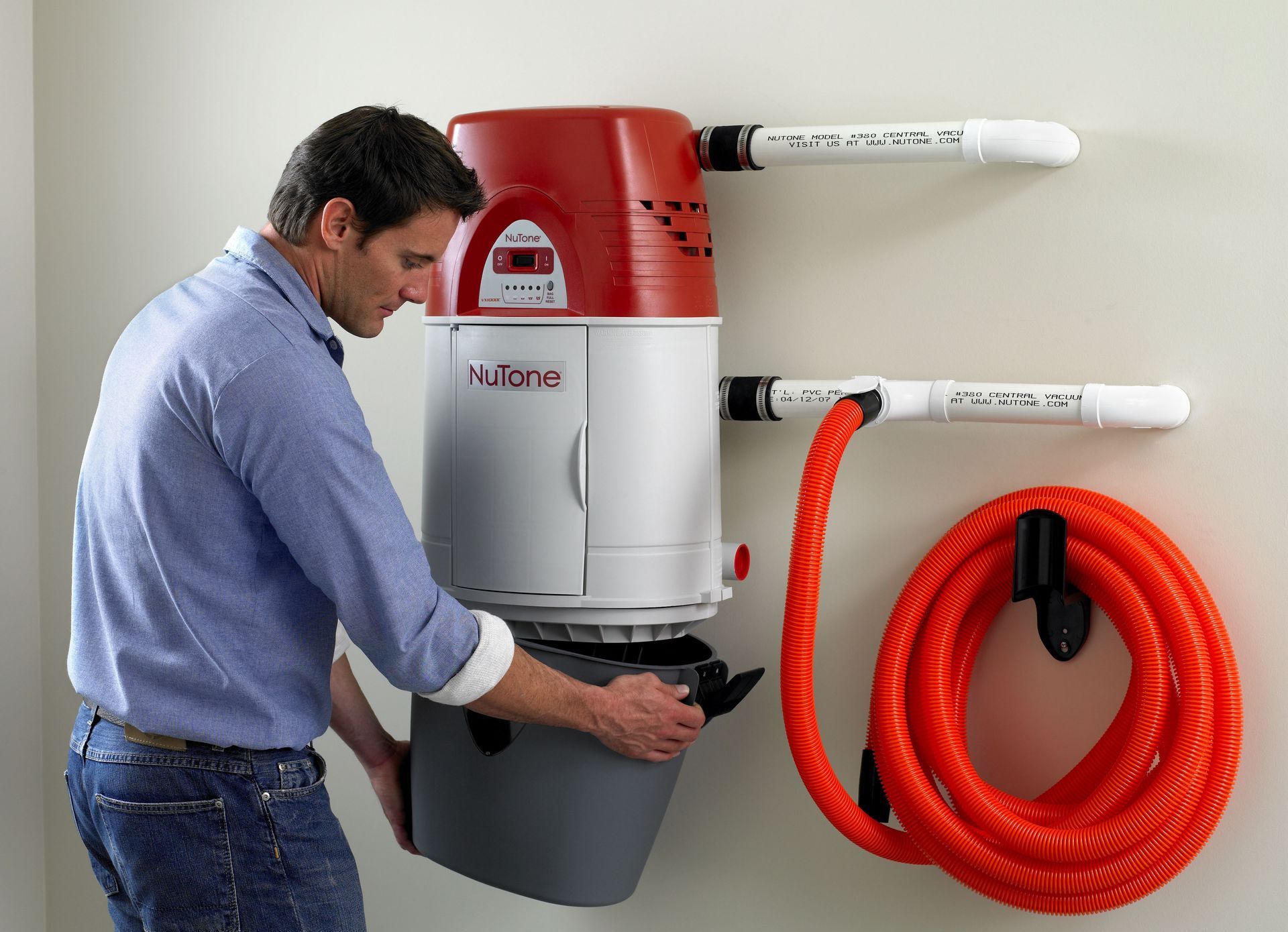 A central vacuum system is built around a different idea entirely. The motor and exhaust are not in your living space at all. They are typically located in the garage or a utility area, connected to inlets throughout the house by piping inside the walls. When you vacuum, the debris and exhaust air travel out through that piping and vent outside the conditioned living space, not back into the room you are standing in.
That difference matters most once the smoke has cleared enough to clean safely. Rather than potentially recirculating fine ash back into the air, a central vacuum system moves it out of the house entirely, one of the documented health benefits of central vacuum systems. For homes that already have a central vacuum installed, this is one of those quiet advantages that only becomes obvious in a season like this one.
If you have central vacuum inlets in your walls but haven’t used the system in years, or aren’t sure it still works, smoke season is a good reason to find out. We inspect the full setup, from the piping to the motor, and can often reactivate a system that’s been sitting dormant, sometimes with a small upgrade along the way if a part has worn out. It’s worth checking before smoke season peaks rather than discovering an issue mid-cleanup.
What a Central Vacuum Cannot Do
It is worth being upfront here. A central vacuum system does not filter the air you breathe, and it will not stop smoke from drifting into your home in the first place. It also will not undo odor that has soaked into upholstery, curtains, or your HVAC ductwork. Those are separate problems that call for separate solutions, such as a HEPA air purifier, a well-sealed HVAC system running on recirculate mode, or professional duct cleaning if the smell has really settled in.
What a central vacuum does well is one specific, honest piece of the picture: helping you clean up settled ash and dust without pushing it back into your air in the process. That is a smaller promise than “getting rid of smoke smell,” but it is the accurate one.
A Few Practical Steps for Smoke Season
Beyond your vacuum, a few habits make a real difference during smoke events:
- Check current conditions on AirNow.gov before deciding whether to air out the house or keep it sealed up
- Keep windows and doors closed, and set your HVAC system to recirculate rather than pulling in outside air
- Hold off on vacuuming with a non-HEPA machine while smoke levels are high, and save the deeper clean for once conditions improve
- Wipe down hard surfaces with a damp cloth between vacuum sessions to catch settled ash without stirring it into the air
Frequently Asked Questions About Your Vacuum and Wildfire Smoke
Should I vacuum my house during an active wildfire smoke event?
The EPA recommends holding off on vacuuming with a standard vacuum while smoke levels are high, since it can stir up settled particles and temporarily worsen indoor air, unless the vacuum has HEPA filtration. It is generally better to wait until conditions improve, then clean thoroughly once the air has cleared.
Does a central vacuum system filter wildfire smoke out of the air?
No. Central vacuum systems are not air filtration devices and will not remove airborne smoke from your home. Their advantage is in how they handle debris once you vacuum it up, venting it outside the conditioned living space rather than recirculating it back into the room.
Will a central vacuum get rid of the smoke smell in my house?
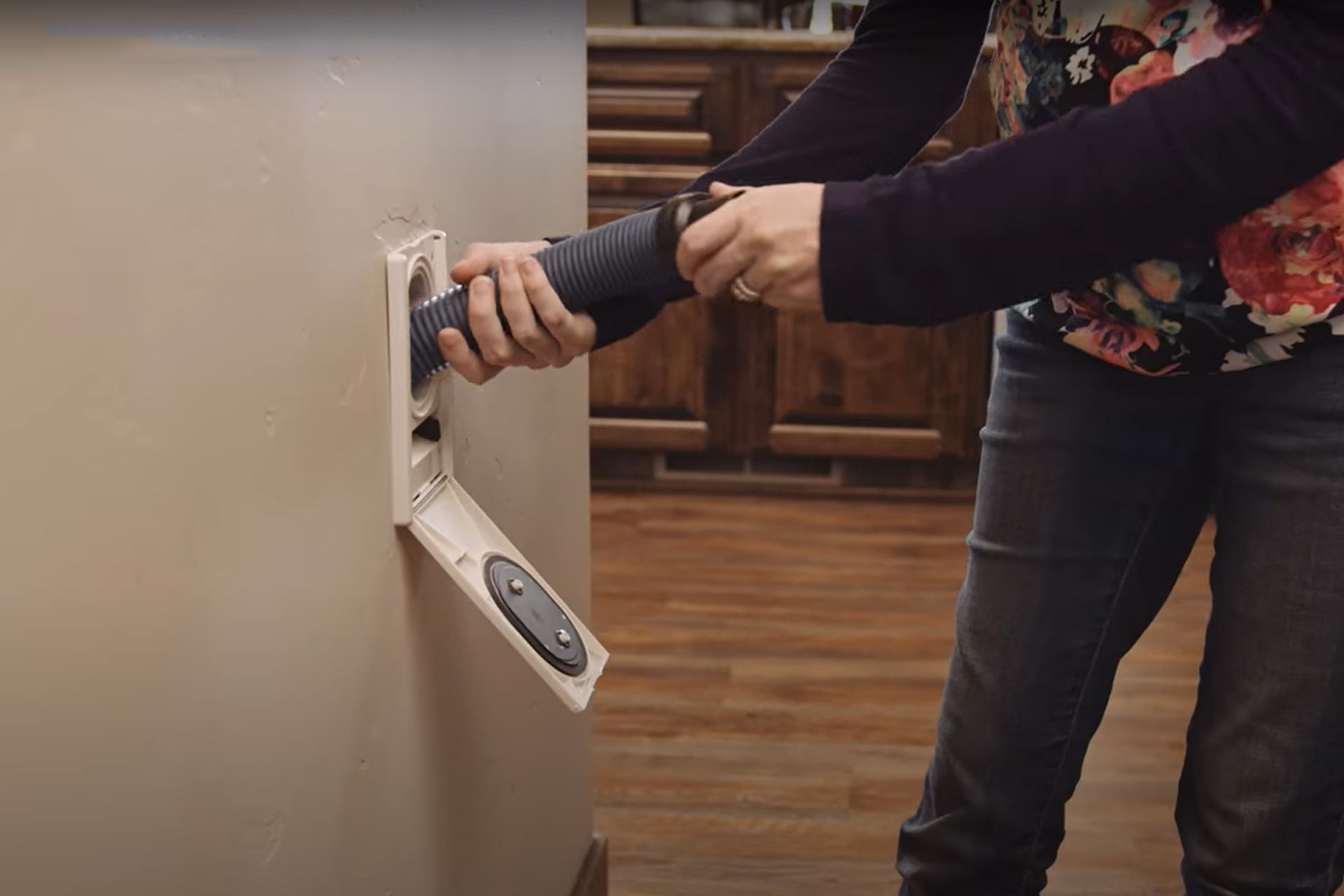 It can help with part of the problem. A good amount of lingering smoke smell comes from ash and fine particulate settled on floors and baseboards, and a central vacuum removes that without blowing it back into the air. Odor that has soaked into fabric, carpet padding, or HVAC ductwork usually needs additional steps, like air purification or professional cleaning.
Why does my portable vacuum seem to make the smell worse?
Most portable vacuums pull air through the machine and exhaust it back into the same room you’re cleaning. If the filter isn’t fine enough to catch the smallest particles, some of what you just picked up gets released right back into the air.
How can I tell if my central vacuum system is ready for smoke season?
A quick service check is the easiest way to know. We can test suction, check the piping for clogs, and inspect the motor so you’re not dealing with a surprise mid-cleanup during a smoke advisory. Smoke season affects the whole region, not just Portland proper. This applies just as much to homes in Vancouver, Clark County, and Central Oregon.
What else should I do to protect my indoor air during wildfire smoke season?
Keep windows and doors closed, set your HVAC system to recirculate instead of pulling in outside air, and check current conditions on AirNow.gov before deciding how to ventilate your home. A HEPA air purifier is also a solid addition for homes in areas that see smoke regularly.
Getting Your System Ready Before Smoke Season Hits
If you already have a central vacuum in your Portland area home, now is a good time to confirm it is running the way it should. If you don’t have one yet, adding a central vacuum to an existing home can generally be done without major demolition. Most of the piping runs through attic and crawlspace, typically 80–85% of it, so drywall work is usually limited to the inlet locations themselves.
Premier Central Vac has installed and maintained central vacuum systems across the Portland metro for years, bringing more than 75 years of combined team experience to every job. If you want a system that is ready before the next smoke advisory hits, or you are not sure whether your current setup still works, give us a call. You will talk to a real local expert from the first conversation, not an automated menu.